

Hawaii Takes Bold Step Toward Crypto Leadership: SB 2757 Digital Asset Charter Advances
TLDR Summary
- Hawaii’s Senate advanced SB 2757, creating a new digital asset charter program to license and regulate crypto companies starting in 2027, which could boost local innovation while protecting consumers.
- Nationally, US senators introduced a long-awaited bill to clarify crypto market rules, defining tokens and potentially easing adoption for Hawaiian residents dealing with federal regulations.
- Globally, fintech giants like PayPal and Stripe are expanding into crypto, with tokenization trends set to reshape finance, offering new opportunities for Hawaii’s economy tied to tourism and tech.
- Local fintech startups in Hawaii saw increased investments this week, focusing on sustainable tech and blockchain, highlighting the islands’ growing role as a Web3 hub.
- Community insights from X emphasize scam prevention and Bitcoin adoption in Honolulu, reminding users to prioritize self-custody and education for safe participation.
This week marked a significant milestone for Hawaii’s relationship with digital assets. The Hawaii Senate gave SB 2757 its first reading — a bill that proposes establishing a dedicated digital asset charter program within the Department of Commerce and Consumer Affairs, set to begin January 1, 2027. If passed into law, this would create a clear, Hawaii-specific framework for licensing and supervising companies that handle cryptocurrencies and other digital assets.
This move builds on Hawaii’s 2024 decision to phase out money transmitter license requirements for most crypto activities, signaling the state’s continued evolution toward becoming a welcoming yet responsible environment for blockchain and fintech innovation.
Whether you’re a resident curious about using crypto, a business owner exploring new payment options, or someone interested in Hawaii’s economic future, this development could have lasting impact. Below we break down what SB 2757 means, why it matters for the islands, and how it fits into broader crypto, blockchain, and fintech trends.
Local News: Hawaii Steps Up Its Crypto Game with SB 2757
SB 2757 proposes a tailored regulatory structure specifically designed for digital asset businesses. Unlike general banking or money transmitter licenses, this charter would focus on the unique characteristics of cryptocurrencies, stablecoins, tokenized assets, and blockchain-based services — while maintaining strong consumer protections, anti-money laundering standards, and cybersecurity requirements.
For everyday locals, this could mean:
- More trusted platforms and services choosing to operate in Hawaii
- Increased competition leading to better tools and lower costs
- Greater confidence when using digital assets for payments, savings, or investment
- Potential growth in local fintech and blockchain-related jobs
Imagine Honolulu coffee shops, tour operators, or small retailers accepting crypto from visitors with fewer regulatory barriers. Picture local startups building blockchain solutions for sustainable tourism, supply chain tracking for Hawaiian agriculture, or remittance services for families with Pacific ties.
On X, early reactions have been largely positive. Users highlighted how this positions Hawaii in the growing “BTC era” and praised the state for moving proactively rather than reactively. Community conversations also pointed to existing examples of grassroots adoption — like businesses in Honolulu already accepting Bitcoin — showing that momentum is building from the ground up.
To help everyone understand the proposal better, here’s a clear explanation of what a “digital asset charter” actually means:
It’s a specialized license that says a company has met Hawaii’s standards for safely handling virtual currencies. Companies would need to demonstrate secure custody practices (such as multi-signature wallets or cold storage), transparent operations, and systems to detect and prevent fraud. This is different from a one-size-fits-all banking license — it’s built for the decentralized, borderless nature of blockchain technology.
At its core, blockchain is a shared, tamper-resistant digital ledger. Every transaction is recorded in “blocks” that are cryptographically linked together and verified across thousands of computers worldwide. No single person or company can change past records without broad agreement — which is why it’s often called trustless technology. In Hawaii, rules like those proposed in SB 2757 aim to combine this powerful innovation with real-world consumer safeguards.

National Impact: Clarity at the Federal Level Supports Hawaii’s Progress
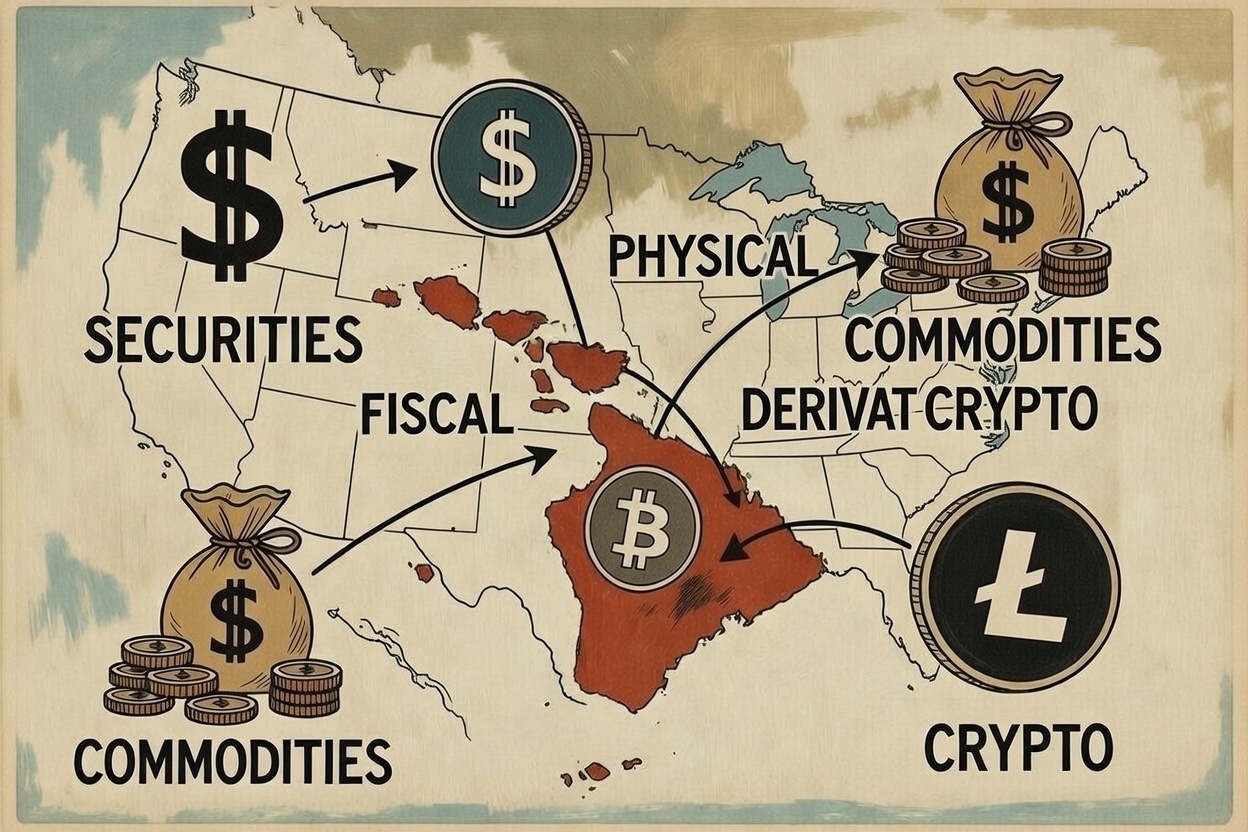
At the national level, a major crypto market structure bill was introduced in early 2026. It seeks to clearly define when digital tokens are treated as securities, commodities, or another category — and assigns primary oversight to the Commodity Futures Trading Commission (CFTC) rather than the SEC in many cases.
Because Hawaii has moved away from state-specific money transmitter licenses for most crypto activities, federal clarity becomes even more important. A consistent national framework would reduce confusion for Hawaiian residents and businesses that use platforms like Coinbase, Gemini, or others that operate nationwide.
This bill also includes provisions to prevent risky practices (such as paying interest solely for holding stablecoins), which helps protect consumers — a goal that aligns closely with the consumer-protection focus of SB 2757.
Global and Fintech Trends: Opportunities Hawaii Can Capture
Around the world, 2026 continues to see major fintech players — PayPal, Stripe, Visa, and others — deepen their integration with crypto and blockchain. Tokenization (turning real-world assets like real estate, art, or carbon credits into digital tokens on a blockchain) is one of the fastest-growing areas.
For Hawaii, this opens exciting possibilities: tokenizing shares of sustainable tourism projects, local agriculture supply chains, or even community-based conservation efforts. These approaches could bring global investment into the islands while giving everyday people new ways to participate in ownership and growth.

Looking Ahead: A Foundation for the Future
SB 2757 represents a deliberate step — not just to regulate, but to enable responsible innovation in Hawaii. Whether this bill becomes law or inspires even stronger follow-up legislation, it shows the Aloha State is thinking long-term about how digital assets can support our economy, our communities, and our values.
Stay safe: use hardware wallets for significant holdings, verify sources, start small, and keep learning. The principles of blockchain — transparency, immutability, decentralization — are timeless tools that can serve Hawaii well for decades to come.
Mahalo for reading. Share your thoughts in the comments — how do you see crypto and blockchain fitting into Hawaii’s future? We’ll continue tracking this space closely.
See you next time.