
Hawaii Digital Currency Updates: Embracing Crypto in the Aloha State
TLDR Summary
- Hawaii has officially ended its Digital Currency Innovation Lab, allowing crypto companies to operate without a state money transmitter license, opening doors for more innovation and access for residents.
- Major platforms like Coinbase have returned to Hawaii after years away, making it easier for locals to buy, sell, and trade digital assets securely.
- Local businesses are increasingly accepting Bitcoin, boosting everyday use of crypto in the islands while national U.S. regulations continue to evolve with potential impacts on state-level finance.
- Global blockchain trends, such as tokenized real estate and decentralized finance tools, are influencing Hawaii’s fintech scene, creating opportunities for economic growth and financial inclusion.
- Residents should stay informed on risks and best practices, with educational resources highlighting safe ways to engage with crypto amid rising interest across the state.
The Shift in Hawaii’s Crypto Landscape: From Sandbox to Open Waters
Imagine a world where sending money to family on the mainland or investing in new technologies feels as simple as using your phone to pay for shave ice at the beach, that’s the promise of cryptocurrency and blockchain in Hawaii today. Back in 2020, the state launched the Digital Currency Innovation Lab, or DCIL, as a way to test the waters with digital assets. This program acted like a protected bay where selected companies could operate without the usual strict rules, helping regulators understand how crypto fits into our local economy. It was a smart move, giving everyone time to learn without big risks.
Fast forward to June 30, 2024, and the DCIL wrapped up after four years of research. The big takeaway? Crypto companies no longer need a Hawaii-issued money transmitter license to do business here, effective July 1, 2024. This change comes from updates to the Money Transmitters Modernization Act, which now excludes most cryptocurrency activities from those old requirements. Why does this matter for you, the everyday resident? It means more options for buying, selling, or using digital currencies without jumping through extra hoops. For instance, platforms that were once hesitant to serve Hawaii are now diving in, bringing better tools and lower costs.
On X, users like @XRPcryptowolf highlighted this shift early on, noting back in 2020 how the sandbox could shape future laws, and recent chatter from accounts such as @HawaiiCurrency echoes growing excitement with updates on rising crypto prices like Bitcoin at over $89,000. The crowd on X sees this as a win for innovation, with many sharing stories of how easier access could help small businesses or remittances to the Philippines, a common need in our diverse communities. This community wisdom underscores a timeless truth: when regulations adapt, technology thrives, benefiting islands like ours that rely on global connections.
National and Global Influences: How Broader Trends Ripple to Our Shores
Crypto doesn’t stop at state lines, especially in a place like Hawaii where tourism, agriculture, and military ties connect us to the world. Nationally, the U.S. is buzzing with proposals for clearer crypto rules. For example, senators introduced a bill in early 2026 to define market standards, aiming to protect investors while fostering growth. This could mean better federal oversight on exchanges, which indirectly boosts confidence for Hawaii users. If passed, it might harmonize with our state changes, making cross-border transactions smoother, like sending funds to relatives in California without high fees.
Globally, blockchain developments are making waves that reach our beaches. Think about tokenized real estate, where properties are turned into digital shares on the blockchain, allowing fractional ownership. Posts on X from @PropyInc show real-world examples, like the first onchain real estate sale in Hawaii, where buyers can verify IDs quickly and even use Bitcoin-backed loans. This isn’t just hype, it’s a way for locals to invest in property without massive upfront costs, addressing our high housing prices. Other trends include decentralized finance, or DeFi, platforms that let you lend or borrow crypto without traditional banks, and tools like those from @Paimon_Finance focusing on real-world assets.
These global shifts impact Hawaii by attracting fintech firms. Since the license change, companies like MetaMask and Transak have set up shop here, drawn by our welcoming stance. A report from Ankura highlights how this creates fintech innovation opportunities, potentially leading to jobs in tech and finance on the islands. X users, including @cryptokenikeni, emphasize practical AI and crypto education rooted in local values, reminding us that timeless knowledge like understanding blockchain’s security can empower generations. Blockchain, at its core, is a shared ledger that records transactions transparently and immutably, think of it as a digital notebook everyone can see but no one can erase without consensus, making it ideal for trust in remote economies like ours.
To make this timeless, let’s dive deeper: Blockchain works through blocks of data chained together with cryptography. Each block contains transactions, a timestamp, and a link to the previous one. Miners or validators confirm these using consensus mechanisms like proof-of-work (Bitcoin) or proof-of-stake (Ethereum), ensuring no double-spending. In Hawaii, this tech could revolutionize supply chains for coffee or macadamia nuts, tracking origins from farm to export transparently.

Local Adoption and Everyday Use: Crypto Hits the Streets of Honolulu
Here in Hawaii, crypto is moving from niche to normal. Businesses like Drip Studio in downtown Honolulu now accept Bitcoin, turning the area into a mini hub for digital payments. Advocates say since regulations eased in July 2024, adoption has surged, with more shops and services jumping on board. A University of Hawaii symposium in June 2024 spotlighted this, discussing how cryptocurrency intersects with finance, drawing experts to share insights on innovations.
A 2025 report even calls Hawaii one of the top states obsessed with crypto, based on search trends and interest. This local buzz aligns with X sentiments, where @crypt0cherryy and others discuss practical tips, like knowing Hawaii was the last state to join the USA, tying into broader conversations on independence and financial sovereignty. For residents, this means easier access to tools that combat high living costs, such as using crypto for international transfers without bank markups.
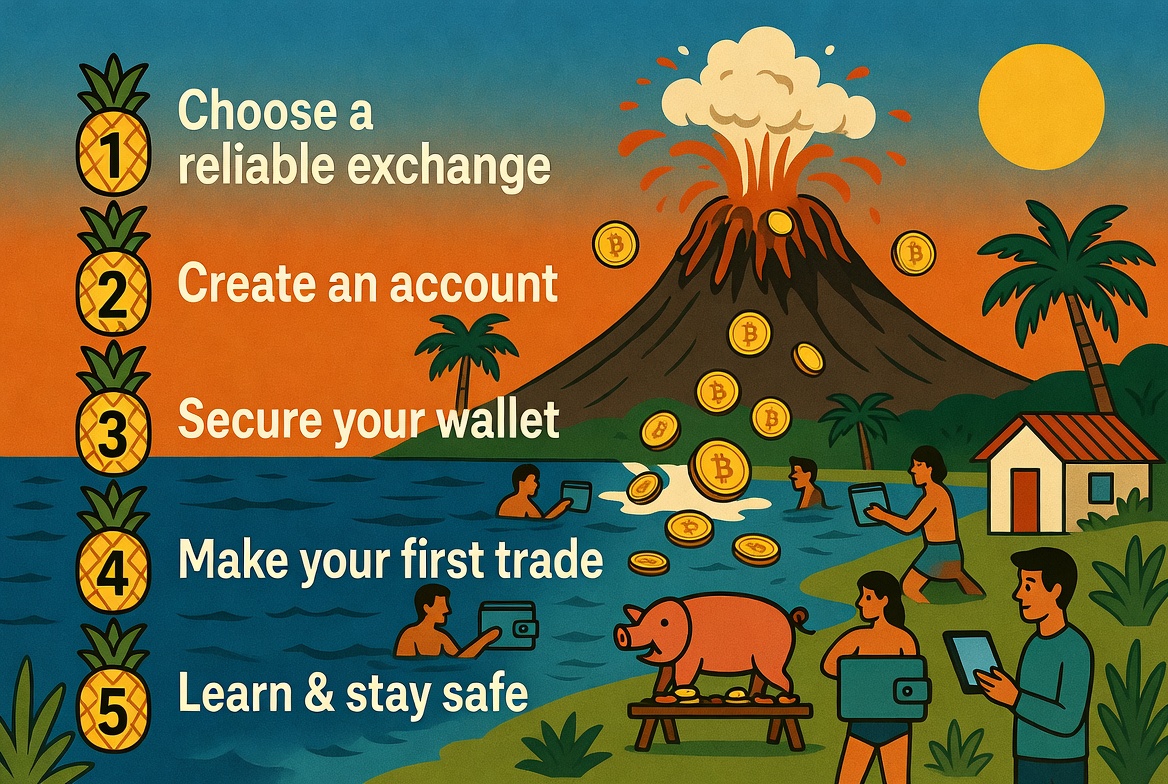
But with opportunity comes caution. The state reminds us of risks, like scams where fake law firms target crypto holders. Always verify sources, use hardware wallets for storage, and start small. To set our content apart, here’s a timeless tutorial on getting started with crypto in Hawaii:
-
Educate yourself: Read free resources from sites like Binance Academy or local groups on X. Understand terms like wallet (a digital safe for your coins) and exchange (a marketplace to buy/sell).
-
Choose a platform: Now that Coinbase is back, sign up there or try Gemini, which was part of the DCIL. Verify your ID to comply with federal rules.
-
Buy your first crypto: Link a bank account, deposit fiat (regular money), and purchase Bitcoin or Ethereum. Start with $50 to learn.
-
Secure it: Transfer to a personal wallet like Ledger for safety. Enable two-factor authentication everywhere.
-
Use it locally: Look for businesses accepting crypto via apps like Flexa, or explore DeFi for earning interest on holdings.
-
Stay compliant: Report gains on taxes; Hawaii follows IRS guidelines. Tools like CoinTracker help track.
This step-by-step guide can last years, as core principles don’t change quickly. X crowd knowledge adds flavor, with users sharing real experiences, like @JeremyHogan noting international partnerships using ledgers like XRPL for stable digital currencies.
Looking Ahead: Building a Timeless Fintech Future for Hawaii
As we wrap up this update, remember crypto and blockchain aren’t just trends, they’re tools for empowerment. Whether it’s navigating national bills that could standardize U.S. markets or global fintech like neobanks from @Cypher_HQ_ blending crypto with everyday banking, Hawaii is positioned to lead in the Pacific. By focusing on education, safety, and local impact, we can help families build wealth, businesses innovate, and our economy thrive.
Posts like this aim to be references for years, so bookmark it for when you teach keiki about digital finance or revisit during market shifts. Share your thoughts in the comments, and let’s keep the conversation going to support our ohana in this evolving space. Mahalo for reading, and stay tuned for more timeless insights.