

Weekly Crypto and Fintech Update: January 11-17, 2026 – Focus on Hawaii
TLDR Summary
- U.S. senators unveiled a draft bill clarifying crypto regulations, which could boost adoption nationwide, including in Hawaii by providing clear rules for local businesses and investors.
- Hawaii’s proposed stablecoin and crypto legislation aims to lower merchant fees and keep more dollars circulating locally, potentially transforming payments for small businesses.
- Fintech giants like PayPal and Stripe are expanding into crypto, with plans for new blockchains and stablecoins that could make everyday transactions easier and cheaper for Hawaii residents.
- Global stablecoin growth hit new highs, offering opportunities for Hawaii’s economy through faster remittances and cross-border trade, especially with Pacific partners.
- Local sentiment on X shows excitement for eased crypto buying restrictions in Hawaii, with users discussing how this could spark more community education and adoption.
Global Crypto and Fintech Trends Impacting Hawaii
Around the world, crypto and fintech are evolving rapidly, with innovations that could reshape Hawaii’s economy, from tourism payments to remittances. For instance, stablecoins, which are digital currencies pegged to stable assets like the U.S. dollar, now account for 1.35% of the total U.S. dollar supply. This means they’re becoming a reliable way to send money quickly and cheaply, something that could benefit Hawaii’s diverse communities with ties to Asia and the Pacific.
Take remittances as an example: Many Hawaii families receive money from relatives abroad. Traditional wire transfers can take days and cost high fees, but stablecoins like USDC or the new USD1 from World Liberty Financial allow instant transfers with minimal costs. Pakistan recently partnered with a Trump-linked stablecoin for remittances, handling billions annually, imagine similar setups for Hawaii’s Filipino or Samoan communities. To make this timeless, let’s dive into how stablecoins work.
Deep Dive: Understanding Stablecoins – A Simple Guide for Beginners
Stablecoins are like digital cash that doesn’t fluctuate wildly in value, unlike Bitcoin. They’re “stable” because they’re backed by real assets, such as bank deposits or government bonds. Here’s a step-by-step explanation:
- Creation: A company like Circle (issuer of USDC) holds $1 in a bank for every USDC they create. This ensures the coin is always worth about $1.
- Usage: You can send stablecoins via apps like wallets on your phone. For example, if you’re in Hawaii and a relative in the Philippines sends you $100 in USDC, it arrives in seconds without bank hours or weekends getting in the way.
- Benefits for Hawaii: Lower fees mean more money stays in your pocket. Plus, with blockchain tech, transactions are transparent and secure, reducing fraud risks.
- Risks and Tips: Not all stablecoins are equal, some lost their peg in the past (like TerraUSD in 2022). Always use regulated ones like USDC or Tether (USDT), and store them in self-custody wallets for control. Tutorial: Download a wallet like MetaMask, connect to a network like Ethereum or Solana, and practice sending small amounts first.
This tech isn’t just hype, it’s already powering fintech expansions. Stripe plans to launch its Tempo blockchain in 2026, while PayPal and others are “flexing crypto muscles,” predicting massive growth. For Hawaii, this could mean easier payments for tourists or exports, keeping our islands competitive in a digital world.

National U.S. Developments and Their Hawaii Ripple Effects
On the national stage, U.S. senators introduced a long-awaited bill to define crypto market rules. This legislation clarifies when tokens are securities (regulated by the SEC) or commodities (by the CFTC), potentially unlocking more investment. For Hawaii, this means clearer paths for local startups in fintech, as uncertainty has held back innovation.
The bill also addresses stablecoins, prohibiting companies from paying interest just for holding them, which could protect consumers but might limit yields. Hawaii, with its history of the Digital Currency Innovation Lab (which concluded in 2024, removing state licensing needs for crypto firms), is well-positioned. Now, companies here operate unregulated at the state level but must follow federal laws, opening doors for growth.
Other national news: First Hawaiian Bank will report Q4 2025 results on January 30, 2026, offering insights into local finance amid crypto integration. Meanwhile, XRP is predicted to hit $12.50 by 2028 per analysts, driven by cross-border payments, which could appeal to Hawaii’s international trade.
From X, users like @TadTobar shared excitement about meeting state reps on new legislation, noting it could “provide more payment options for merchants to lower fees and keep Hawai’i dollars local.” This crowd wisdom highlights community support for practical crypto uses.
Educational Spotlight: How New U.S. Crypto Laws Could Benefit You
If passed, this bill could make crypto safer for everyday use. For example, defining tokens prevents scams by ensuring proper oversight. In Hawaii, where tourism drives the economy, imagine hotels accepting crypto payments seamlessly, reducing currency exchange hassles. Long-term, this builds economic resilience, as blockchain creates jobs in tech and finance.
State and Local Hawaii News: Proposals and Progress
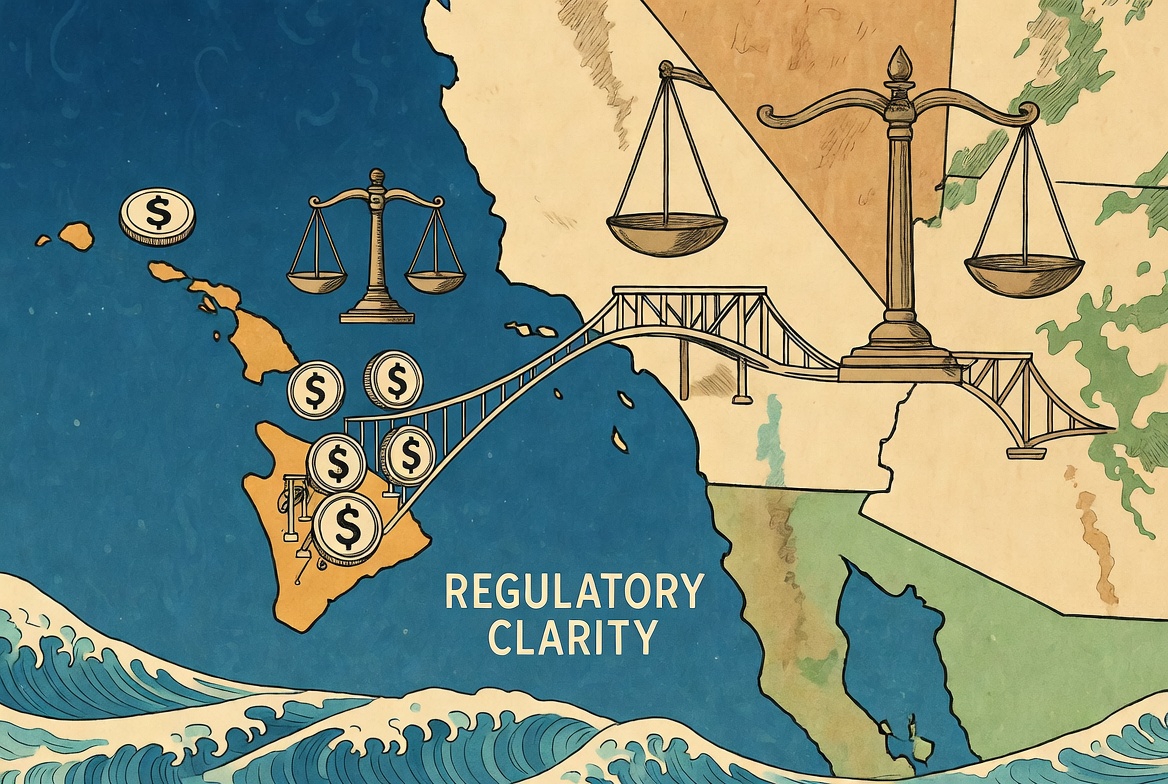
Locally, Hawaii is buzzing with crypto potential. Proposed legislation by Rep. Jarrett Keohokalole focuses on stablecoins and crypto to cut merchant fees, which often eat into small business profits. As @HiEllenNg posted on X, events like the YP Legislative Link Up are rallying advocates, showing strong community backing.
Hawaii’s past regulatory sandbox (Digital Currency Innovation Lab) paved the way, and now with eased restrictions, expect more education efforts. X users discuss swap meets as venues to teach crypto buying, making it accessible. This could lead to timeless adoption, where locals use blockchain for everything from real estate to remittances.
First Hawaiian Bank’s upcoming report ties into this, as traditional banks eye crypto. Globally, events like PTC’26 in Honolulu (Jan 18-21) will discuss digital infrastructure, impacting local fintech.
Tutorial: Getting Started with Crypto in Hawaii
For beginners, here’s a simple guide to buy crypto safely:
- Choose a Platform: Use regulated exchanges like Coinbase or Gemini, which comply with U.S. laws.
- Verify Identity: Upload ID to meet KYC rules, protecting against fraud.
- Buy and Store: Start with $10 in Bitcoin or a stablecoin. Use a hardware wallet like Ledger for security.
- Local Tip: With eased rules, join Hawaii meetups via X for hands-on help. Remember, crypto is volatile, invest only what you can afford to lose.
This empowers Hawaii residents, fostering financial independence.

Wrapping Up: Why This Matters for Hawaii’s Future
These developments aren’t just news, they’re opportunities to build a stronger, more inclusive economy. By embracing crypto and fintech thoughtfully, Hawaii can lead in Pacific innovation, creating jobs and reducing costs. Stay engaged, educate yourself, and share your thoughts, we’re in this together for a brighter, digital Aloha State. Check back next week for more updates!