
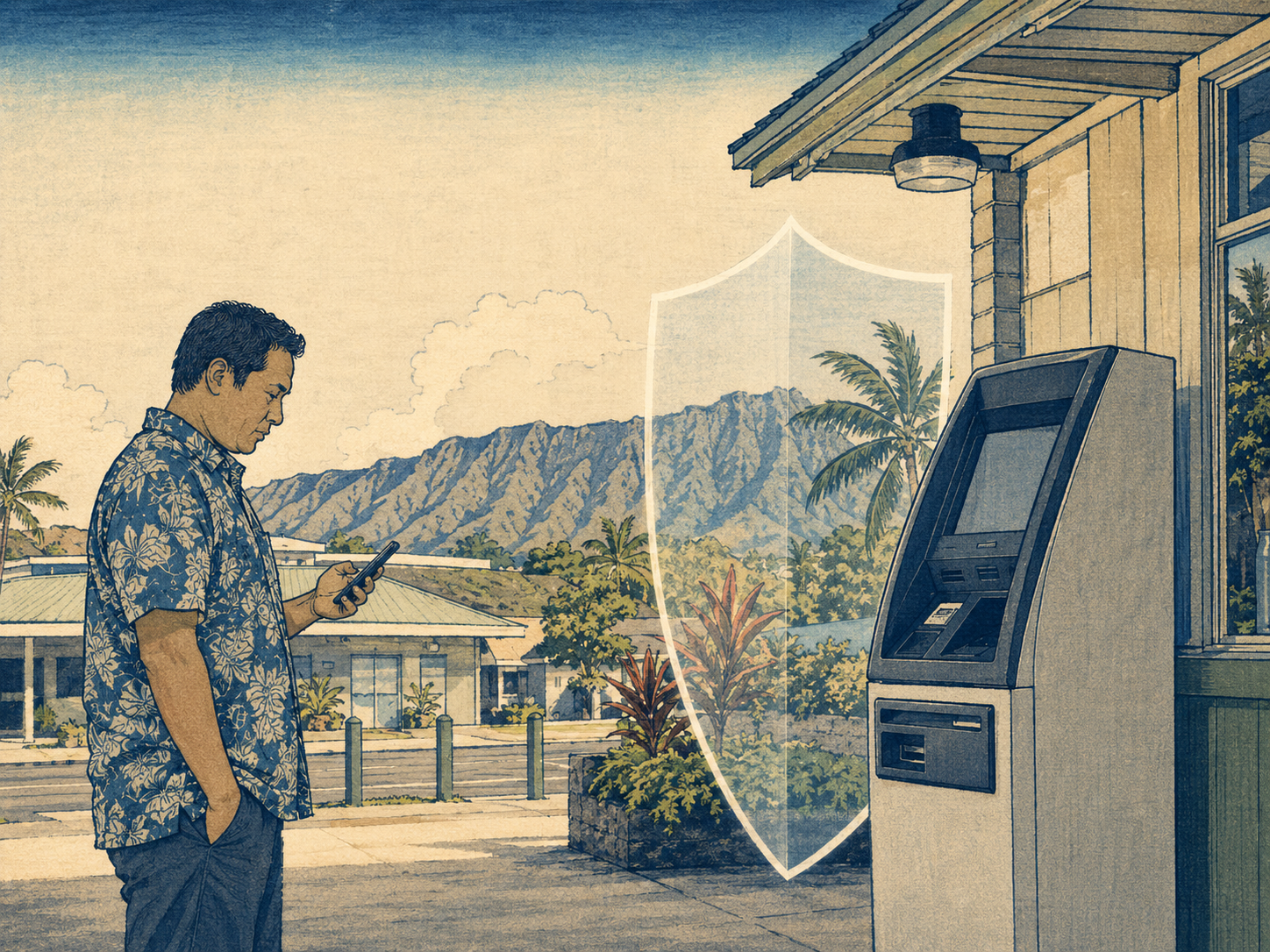
Hawaii Crypto ATM Rules: What HB 1642 Means for Residents
TLDR Summary
- Hawaii lawmakers passed House Bill 1642, Conference Draft 1, during the 2026 legislative session.
- As of June 7, 2026, the measure had been sent to the governor but had not been confirmed as enacted. Its status should be checked again before publication.
- If it becomes law, beginning October 1, 2026, operators could not run a Hawaii crypto kiosk that accepts U.S. currency from a customer in exchange for a digital asset.
- The proposal would still allow a kiosk to accept a digital asset in exchange for another digital asset or U.S. currency.
- The bill targets a payment method frequently used in government impersonation, technical support, investment, and other scams. It does not ban cryptocurrency or ordinary online crypto transactions.
Hawaii lawmakers are moving to close a payment channel that scammers have used to take money from residents: the cryptocurrency kiosk.
These machines, often called crypto ATMs, can allow someone to insert cash or use a card to purchase cryptocurrency. A legitimate customer might use one voluntarily. A scammer, however, can direct a victim to deposit money into a machine and send the resulting digital assets to a wallet controlled by the scammer.
That distinction matters. The machine may be physically located in a familiar store, but a transaction can still send value to an unknown person anywhere in the world. Once the transfer is complete, recovering the money can be extremely difficult.
What HB 1642 Would Change
The Hawaii Legislature passed HB 1642 CD1 and sent it to the governor on May 7, 2026.
The final conference draft says that, beginning October 1, 2026, it would be an unlawful practice for an operator to own, operate, or manage a digital financial asset transaction kiosk in Hawaii that accepts U.S. currency from a customer in exchange for a digital financial asset.
In simpler terms, the measure would stop the cash-in side of these machines:
- A customer could not put U.S. currency into a covered kiosk to purchase cryptocurrency.
- A kiosk could still accept a digital asset and provide U.S. currency.
- A kiosk could still accept one digital asset in exchange for another digital asset.
- Each prohibited transaction would be treated as a separate offense.
The bill is aimed at kiosk operators. It does not make cryptocurrency illegal, prohibit residents from owning digital assets, or ban purchases through online services.
Status note: Passing the Legislature is not the same as becoming law. This article describes HB 1642 CD1 as passed by lawmakers and sent to the governor. Check the Hawaii Legislature’s measure page for the latest action before relying on the proposed October 1, 2026 start date.
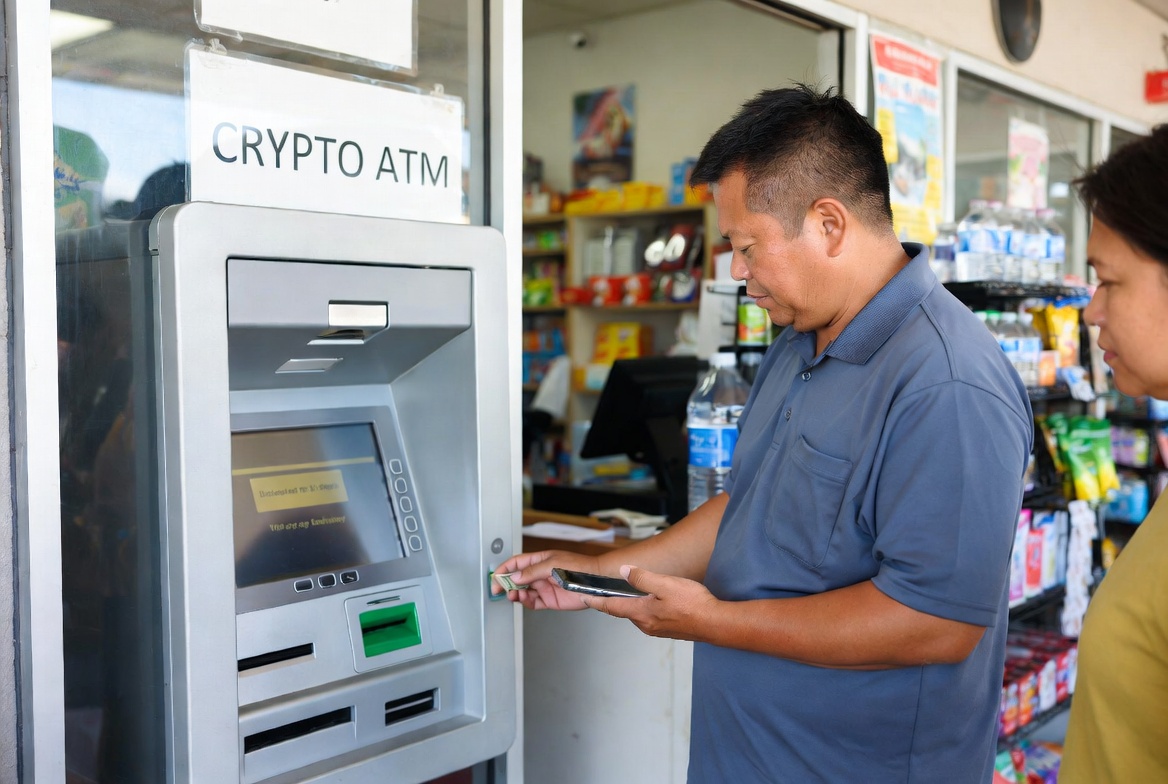
Why Crypto Kiosks Appear in Scams
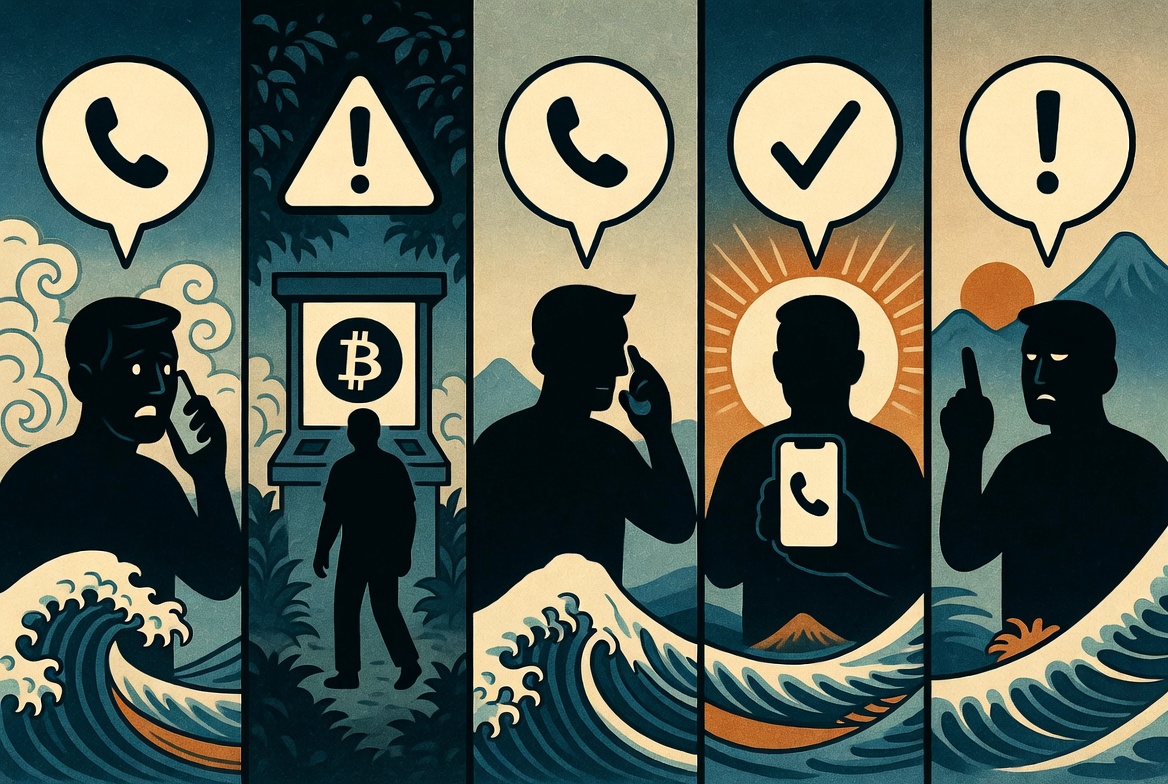
The final bill describes a pattern that begins with an unsolicited call. A criminal may pretend to represent the government, a bank, a technology support company, or another trusted organization. The scammer then stays on the phone while directing the victim to:
- Withdraw cash from a bank.
- Find a cryptocurrency kiosk.
- Follow instructions designed to bypass warnings or safeguards.
- Send the purchased digital assets to a wallet controlled by the scammer.
The pressure is part of the fraud. Scammers may claim that an account has been compromised, a payment is overdue, a relative is in danger, or immediate action is required to avoid arrest or financial loss.
Real government agencies and legitimate businesses do not require surprise payments through a crypto kiosk. They also do not need a seed phrase, private key, wallet recovery phrase, or remote access to a resident’s phone or computer.
The National Losses Are Significant
The FBI’s 2024 Internet Crime Report recorded 10,956 complaints involving cryptocurrency ATMs or kiosks and approximately $246.7 million in reported losses nationwide. People over 60 accounted for 2,674 of those reports and approximately $107.2 million in losses.
Those figures are national, not Hawaii-specific. They still help explain why lawmakers are paying close attention to kiosks and why kupuna are an important part of the consumer-protection discussion.
Reported losses also do not capture every incident. Some victims may feel embarrassed, may not know where to report the fraud, or may not realize immediately that the money cannot be recovered.
Stop Before You Deposit
If anyone instructs you to use a crypto ATM or kiosk, pause before doing anything with your money.
1. End the Call
Do not remain on the phone while traveling to a bank, store, or kiosk. A legitimate organization will allow you time to verify a request independently.
2. Do Not Trust Caller ID
Phone numbers and names displayed on a device can be spoofed. Look up the agency, bank, or business through its official website or a statement you already trust.
3. Contact Someone You Know
Call a family member, trusted friend, financial institution, or local law enforcement agency. A second person can often recognize pressure tactics that are difficult to see in the moment.
4. Never Send Money to “Protect” It
A bank, police department, court, tax agency, or technology company will not ask you to move money into cryptocurrency for safekeeping.
5. Protect Wallet Credentials
Never share a seed phrase, private key, password, or authentication code. Anyone with those credentials may be able to take control of the assets in the wallet.
What Hawaii Residents Should Know About Crypto Services
Hawaii’s Digital Currency Innovation Lab ended on June 30, 2024. The Department of Commerce and Consumer Affairs explains that digital currency companies no longer need a Hawaii-issued money transmitter license to conduct digital currency business in the state.
That change does not mean every platform is safe, insured, or supervised by Hawaii regulators. The DCCA advises consumers to use caution with unregulated companies, research a business before transferring money, and remember that digital currency is not protected like an insured bank deposit.
The proposed kiosk restriction should therefore be understood as one targeted consumer safeguard, not a certification of the broader crypto market.
How to Report Suspected Fraud
Move quickly if you or someone you know may have sent money to a scammer:
- Contact the bank, card issuer, exchange, wallet provider, or kiosk operator involved.
- Preserve receipts, wallet addresses, transaction IDs, phone numbers, messages, emails, and screenshots.
- Report internet-enabled fraud to the FBI’s Internet Crime Complaint Center.
- Contact Hawaii’s Department of Commerce and Consumer Affairs for state consumer information and reporting options.
- Contact local law enforcement if there is an immediate threat or an impersonation of a government agency.
Be cautious of anyone who contacts a victim afterward and promises to recover cryptocurrency for an upfront fee. Recovery scams often target people who have already lost money.
Protection Without Fear
HB 1642 focuses on a specific transaction path rather than treating all digital assets as the same. That is a useful distinction for Hawaii.
Residents can remain open to financial technology while demanding clear safeguards where real-world harm is occurring. Education, independent verification, and time to think are among the strongest defenses against fraud.
No investment opportunity, government demand, or account warning should require a rushed payment at a cryptocurrency kiosk.
Sources
- Hawaii Legislature, HB 1642 CD1
- Hawaii Legislative Reference Bureau, Bills Passed by the 2026 Legislature
- Hawaii DCCA, Digital Currency Innovation Lab Consumer FAQ
- FBI Internet Crime Complaint Center, 2024 Internet Crime Report
This article is for general educational purposes and does not provide legal, financial, tax, or investment advice. Legislative status and regulatory requirements can change.